Research Highlight #002
How Mood Shows Up in Sales
A six-month field study at one of the UK's largest employers asked a simple question every week: how happy did you feel? The answers tracked closely with sales.
What the research found
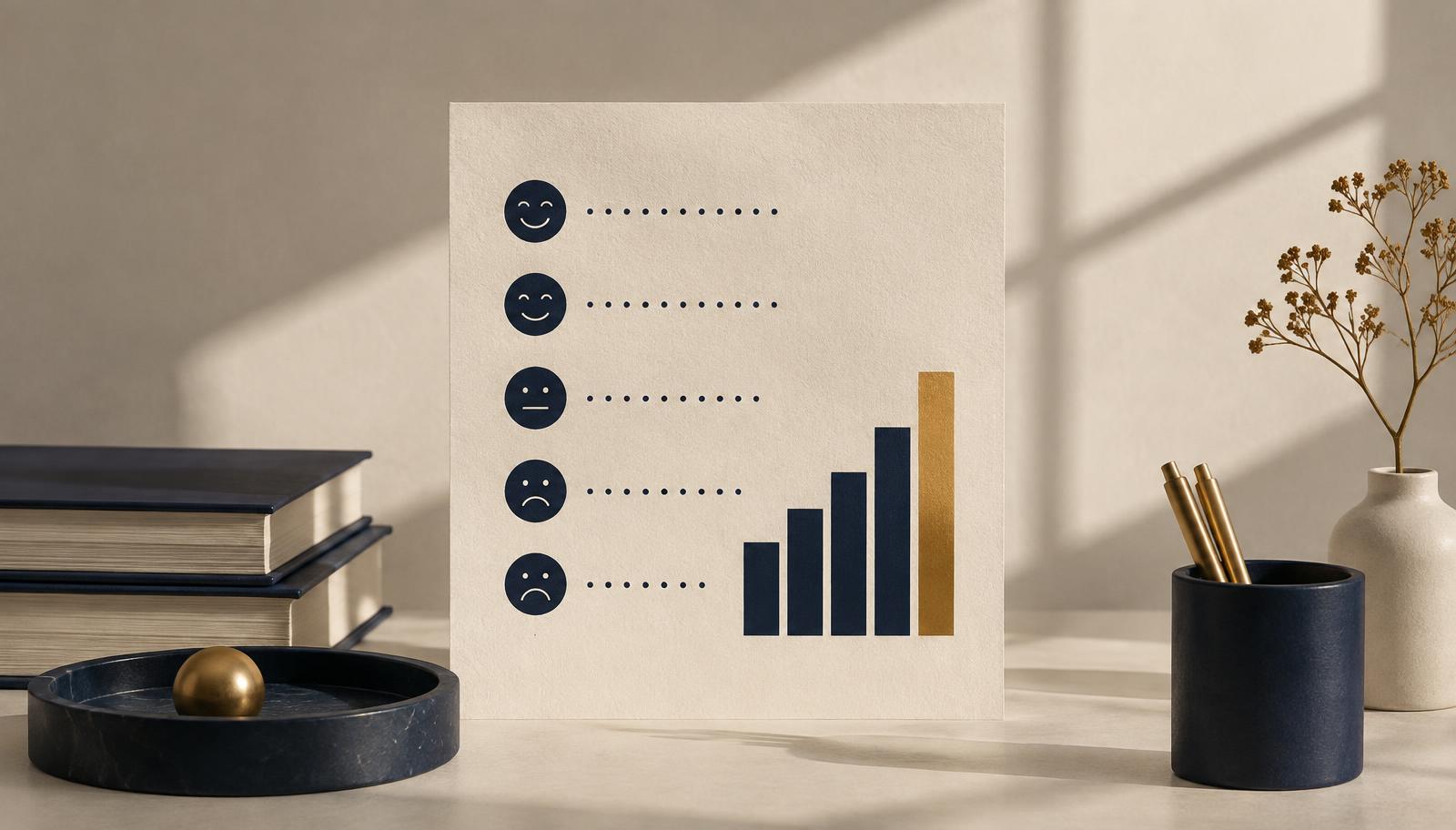
Researchers from the University of Oxford, MIT and Erasmus University Rotterdam followed call-centre workers at BT, the British telecoms company, over six months. The study covered almost 1,800 workers in 11 UK call centres. Each week, workers rated their happiness using an email survey with five emoji buttons, and the researchers compared those ratings with the productivity data BT already collected.
The central result: a one-point increase in happiness on a scale of 0 to 10 was associated with a 12% increase in productivity, measured through weekly sales data.
The mechanism matters as much as the number. Happier workers did not work longer hours; they got more done in the time they worked. As Professor De Neve put it, when workers are happier they make more calls per hour and, importantly, convert more calls to sales.
The researchers went further to test whether mood itself was driving the effect. They combined data on the number of windows in each call centre with local weather conditions. On gloomy days, workers reported lower happiness, especially in centres with more windows, where they could see the weather. This natural experiment is why the authors describe their result as the first causal field evidence of the relationship.
Why this is a human performance question
At SALUZ, we see this study as an answer to a question leaders rarely ask: is how people feel at work a productivity variable? In this study it was. The gain did not come from extra effort or extra hours. It came from how well people converted their time into results, and that is exactly the kind of output that depends on attention, persuasion and emotional regulation during each interaction.
It also changes how the subject should be discussed in the boardroom. Professor De Neve says caring for how employees feel is both the right thing to do and, according to the analysis, in employers' interest.
A note on the evidence
The study covers a single employer, in one country, in one type of role: telephone sales, where output is easy to measure every week. We should not assume the same effect size applies to knowledge work, leadership roles or other cultures. Happiness was self-reported, although the design goes further than most studies in isolating mood as a driver.